We have a vision to be the world's most respected African consumer lending business. We are driven by our ambition to be the largest, most sustainable, non-bank consumer lending business in Africa
We breathe
life into your ideas.
plan
earn
spend
thrive
breath



Our Ethos
Our purpose is to make an impact in Africa
Our Values
We are guided by our values to a future where simple, accessible credit is a reality for everyone.
Service
We strive to be of service to others and provide truly exceptional service
Integrity
We do what is right even when no one is looking
Innovation
We challenge the status quo and pioneer new ways of doing things
Excellence
We strive to be exceptional in everything we do
TheBoard
We are guided by our values to a future where simple, accessible credit is a reality for everyone.





Our Team
We are guided by our values to a future where simple, accessible credit is a reality for everyone.
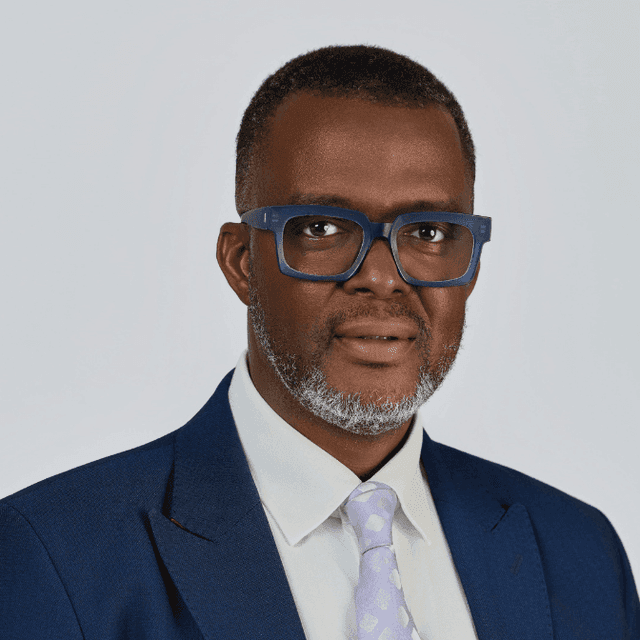
Abiodun Adigun
MD

Dan Watts
CRO

Adeyemi Ogundahunsi
CFO
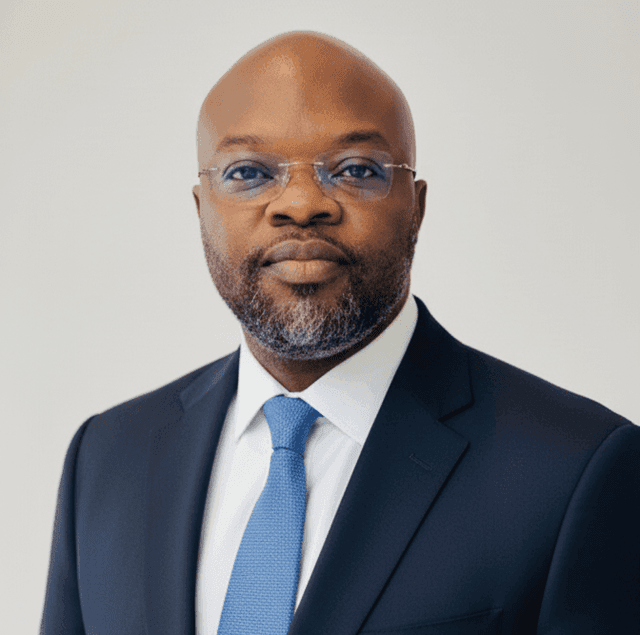
Frank Iseh
CISO



Sustainability
We exist to make a positive impact in Africa
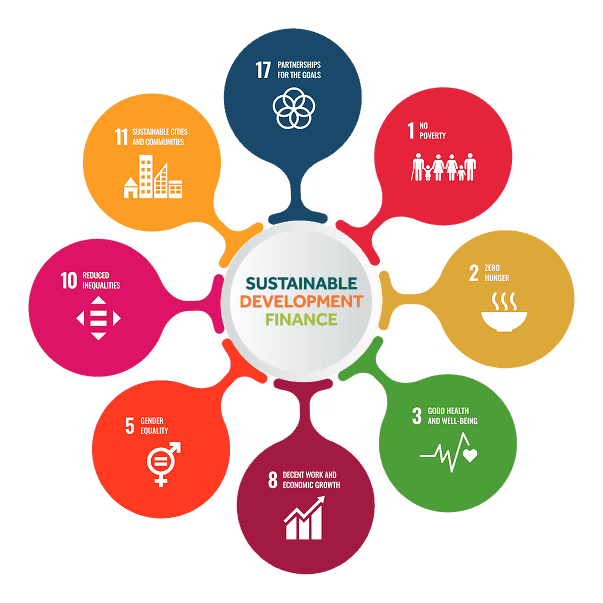
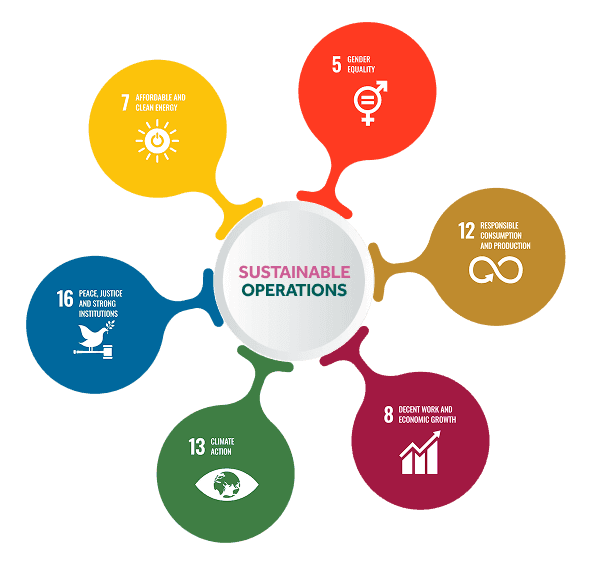
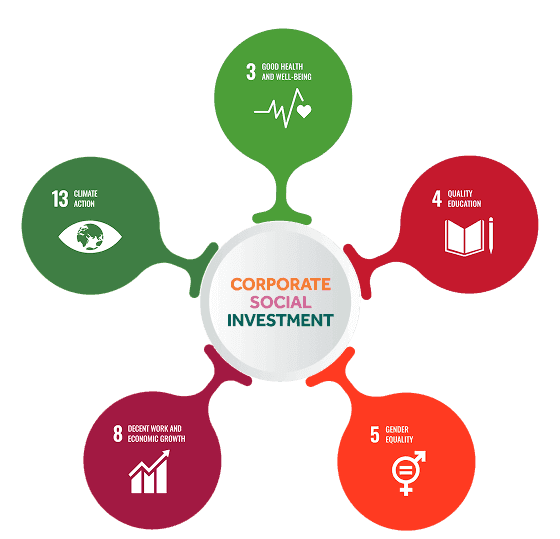
We are committed to meeting the world's financial needs in economically, socially and environmentally responsible ways while impacting our communities
- Sustainable Development Finance
- Sustainable Operations
- Corporate Social Investment



March 31, 2026
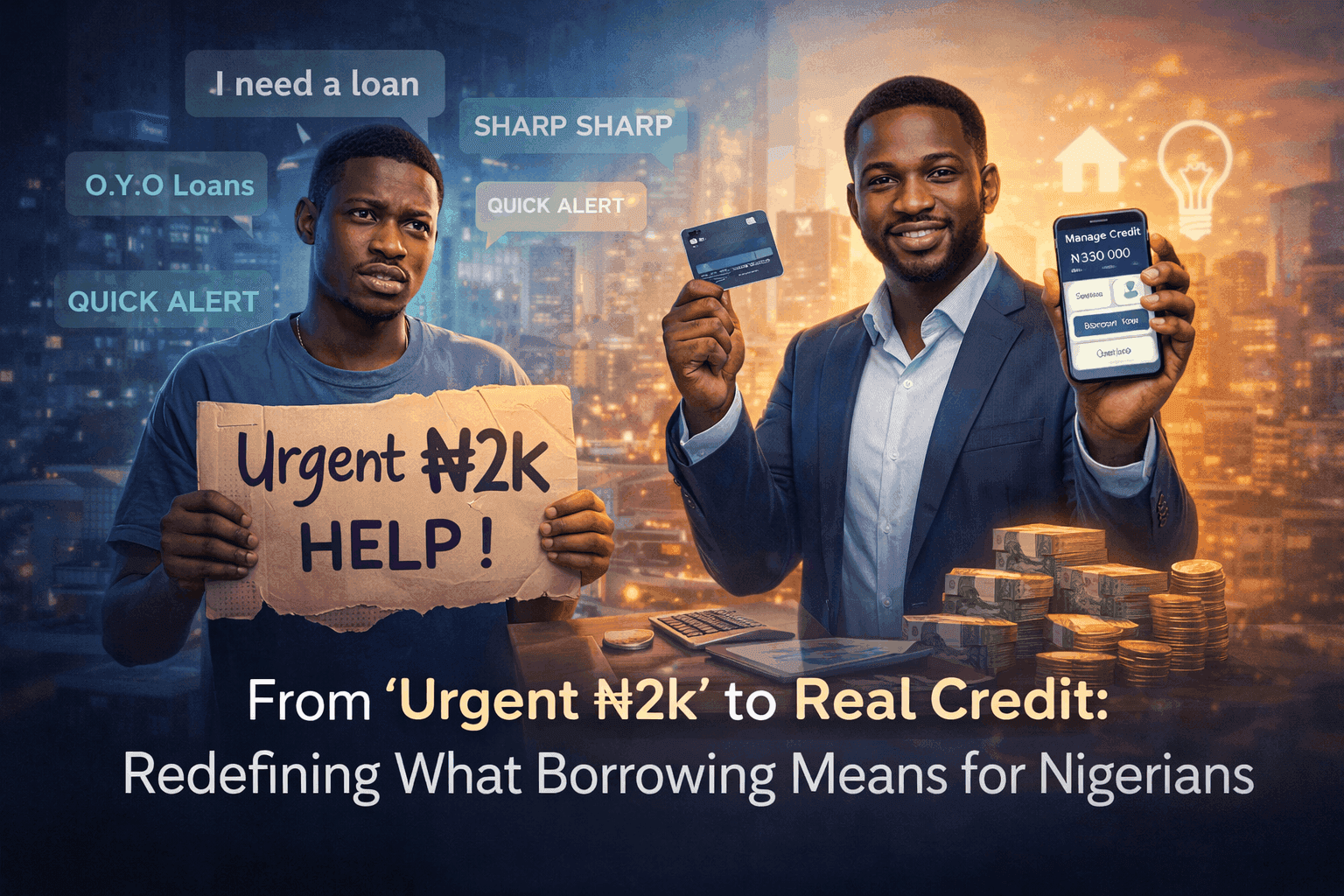
From “Urgent ₦2k” to Real Credit: Redefining What Borrowing Means for Nigerians.
Over the last decade, Nigeria’s digital lending landscape has exploded. Thousands of apps now promise instant cash at the tap of a button. For many Nigerians confronted with economic uncertainty and rising daily costs those small loans have become a lifeline. Yet the same “urgent ₦2k” culture has also created cycles of financial dependency, informal borrowing, and credit anxiety. The Myth of Quick Money Instant small loans often feel convenient, but convenience without structure rarely builds financial stability. Borrowing ₦2,000 or ₦5,000 solves a momentary gap, but done repetitively without credit education, it becomes an expensive habit. True credit is not just access to money; it is access to trust, discipline, and economic empowerment. Credit should help people grow their business, fund education, or smooth cash flow in a sustainable way not trap them in high-interest cycles that damage financial confidence. What Responsible Borrowing Looks Like Responsible borrowing means understanding what debt does for you long-term. It’s built on four pillars: Purpose: Borrow for productive goals like improving cash flow for small businesses or bridging essential personal investments not consumption. Affordability: Know your repayment capacity. Your loan should never exceed what you can comfortably repay within the agreed term. Transparency: Work with lenders that disclose total costs upfront- interest, fees, and any penalties. Hidden charges erode trust. Credit History: Every repayment you make builds or hurts your credit profile. A positive record unlocks better rates, larger loans, and financial dignity. Our credit assessments at Oxygen X go beyond algorithms. We evaluate not only a borrower’s ability to repay, but also their intent and understanding of credit behaviour. That extra diligence protects both the customer and the lender from unnecessary financial stress. Rebuilding Trust in Lending Nigerians are rightfully wary of lending platforms that spam, harass, or shame defaulters. These practices do not reflect true financial service; they reflect desperation. As a regulated finance company, Oxygen X adheres strictly to FCCPC and NDPR guidelines. We pursue digital lending with accountability and empathy because our goal is not to punish, but to partner. Every loan should serve a purpose, empower a person, and strengthen the economy. Credit as a Platform for Growth “Real credit” is transformative. It funds the woman in Ibadan expanding her fabric business, the tech freelancer in Abuja equipping his workspace, or the retailer in Aba scaling supply chains. It connects Nigeria’s entrepreneurial spirit with structured support. Our aim is simple is to redefine lending from short-term crisis management to long-term wealth creation. We want Nigerians to see credit not as a burden, but as a bridge from today’s need to tomorrow’s opportunity. Shaping the Future of Borrowing We envision a Nigeria where borrowing becomes a mark of credibility, not desperation. Where lenders compete on customer experience and integrity, not speed alone. And where every responsible borrower can access the capital, they need to thrive digitally, safely, and with confidence. As we move beyond the era of “urgent ₦2k,” Oxygen X will continue to champion a culture of informed, responsible borrowing because the true measure of a lender’s success is not how fast it disburses, but how well its customers succeed afterward.

March 31, 2026
The Cost of Ignoring Financial Planning In Nigeria
In some countries, economic shocks are headlines. In Nigeria, they are lifestyle changes. Fuel prices adjust, you feel it in your Uber fare by evening. The naira shifts, your grocery bill responds before your salary does. Global tensions rise suddenly, your “basic living” becomes a premium experience. This is the reality: The Nigerian economy doesn’t wait for you to prepare. It moves and you either move with it, or you absorb the shock. And that’s where most people get it wrong. Financial planning is still treated like a future activity, something you do when you “start earning well” or when life feels more stable. But here’s the truth most people avoid, in an unpredictable economy, not planning is the most expensive decision you can make. Why Financial Planning Is No Longer Optional Nigeria’s inflation has consistently stayed in double digits, and in recent times, it has crossed levels that significantly erode purchasing power. And if your spending is not intentional, your income is quietly being redistributed to transport costs, food inflation, impulse decisions, and poor credit choices. This is not just personal finance. This is economic survival strategy. Here’s what financially resilient Nigerians are doing differently: 1. They Budget for Tomorrow, Not Yesterday Most budgets fail because they are based on last month’s reality. Smart planning anticipates increases- in transport, food, and utilities before they happen. 2. They Track Money in Real Time Monthly tracking is outdated in a fast-moving economy. Weekly visibility gives you control before small expenses become big problems. 3. They Build Shock Absorbers Call it savings. Call it a cushion. Call it peace of mind. Without it, one unexpected expense can destabilize everything from rent to school fees to business operations. 4. They Eliminate “Silent Spending” Not the big expenses, the small, repeated ones. Ride-hailing. Impulse buying. Frequent takeout. Individually harmless. Collectively expensive. 5. They Refuse to Let Their Money Sit Idle With inflation where it is, idle money is a liability. Smart Nigerians are moving toward structured, relatively safe opportunities that help their money grow and stay ahead of inflation, some currently delivering returns of up to 24% annually. 6. They Treat Credit as a Tool, Not a Trap Taking loans is not the enemy- Used well, it smooths cash flow, unlocks opportunities, and helps you stay liquid without sacrificing long-term stability. Used poorly, it compounds financial stress. The Real Cost No One Talks About Ignoring financial planning doesn’t just affect your wallet. It affects Your ability to take opportunities, Your confidence in uncertain moments, Your long-term financial independence. Because when you don’t plan, every economic shift feels personal